
Choosing an xFusion platform for local AI
Compare GB10, M495/M395, workstations and GPU servers through software fit, memory and a practical local-AI pilot.
ExploreFrom rack servers and local AI to platform software and industrial charging: choose xFusion by workload, deployment and lifecycle. SOFCONS prepares the configuration, supply and integration scope around your infrastructure.
Prepare an enquiry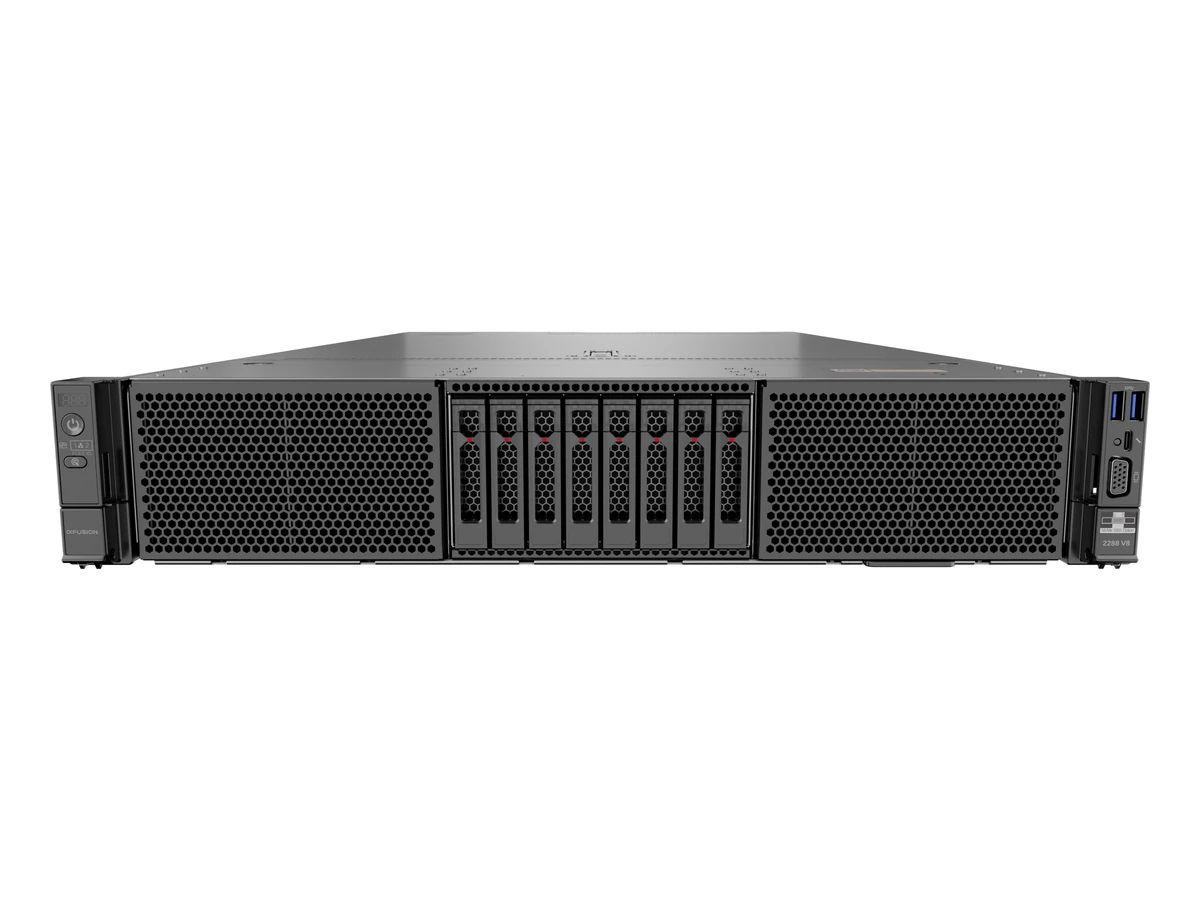
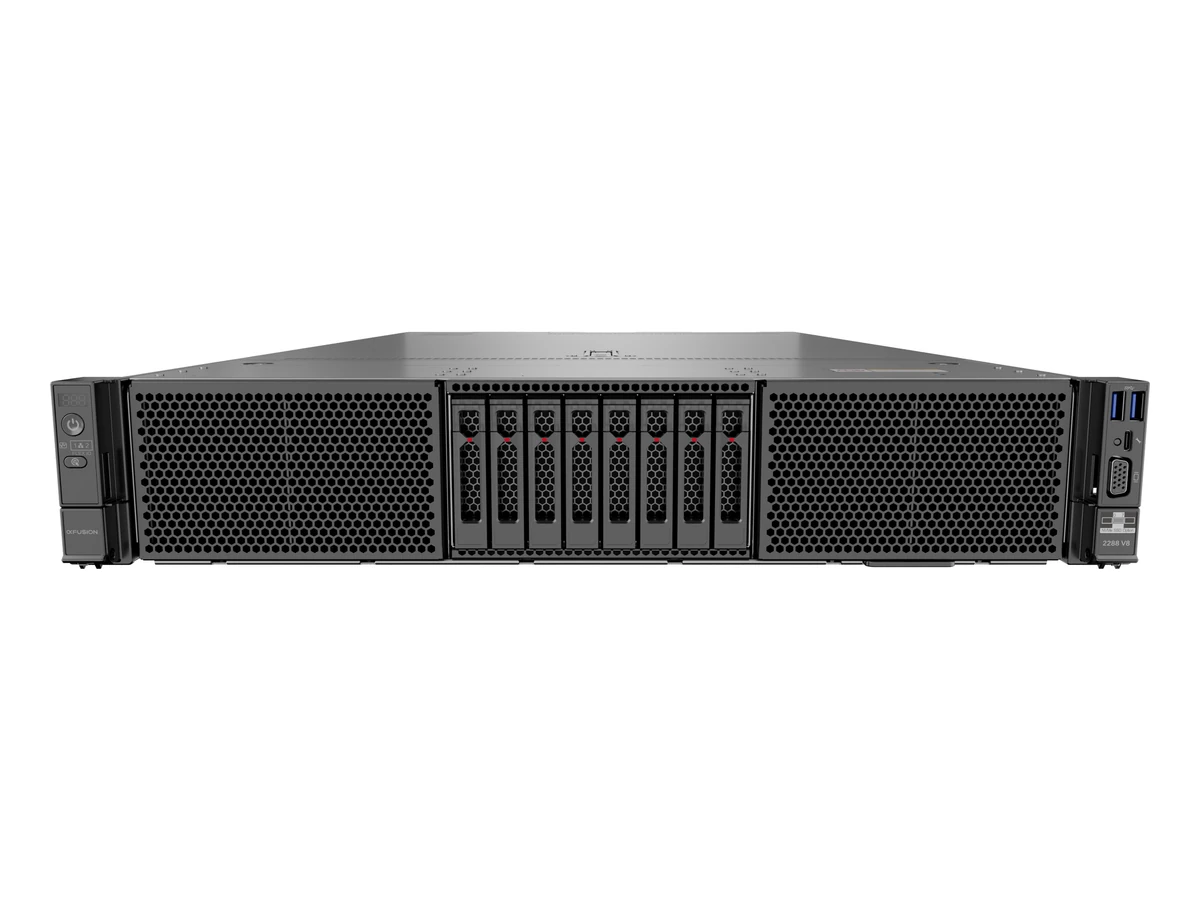
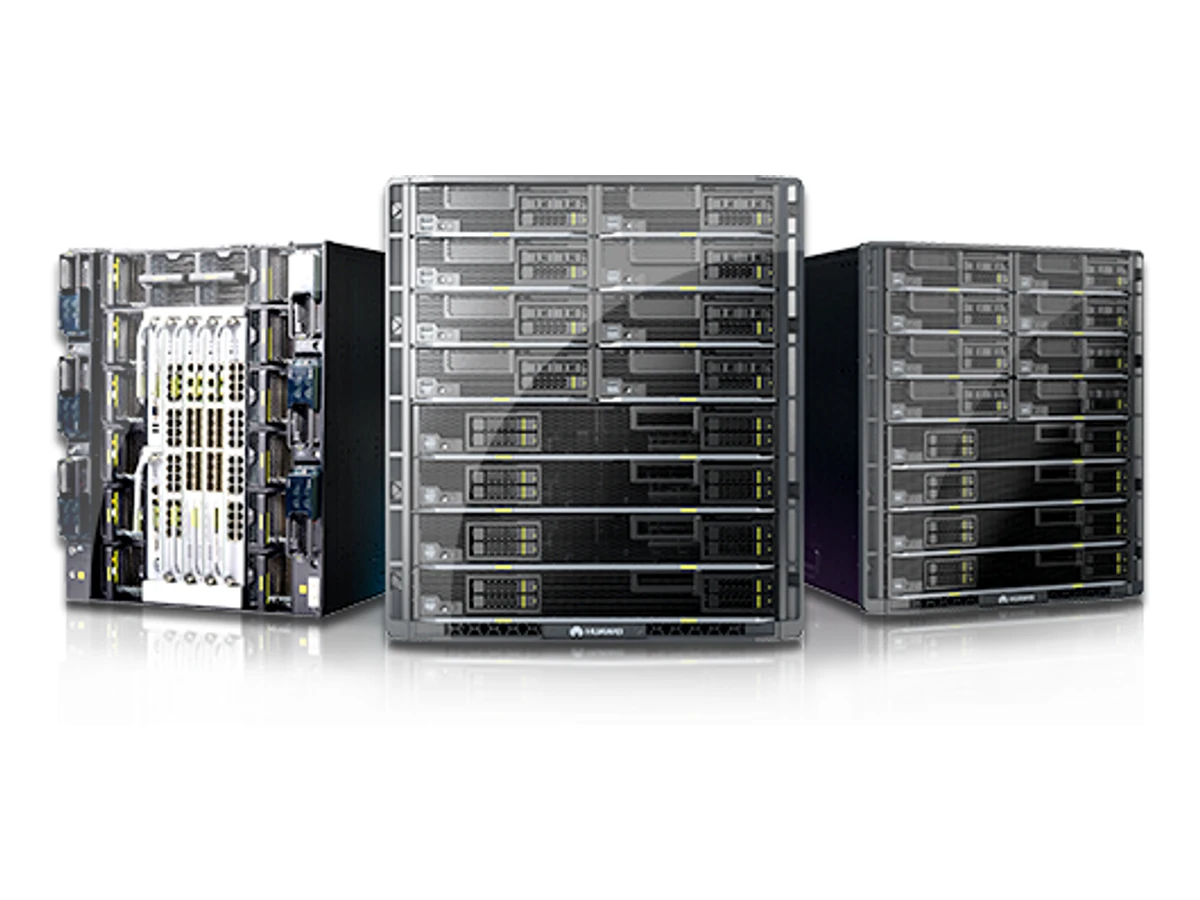
Choose general compute, storage-dense and four-socket systems by platform and configuration. FusionServer V8 and V7 cover distinct Intel and AMD designs; the exact model determines memory, expansion and lifecycle.
Explore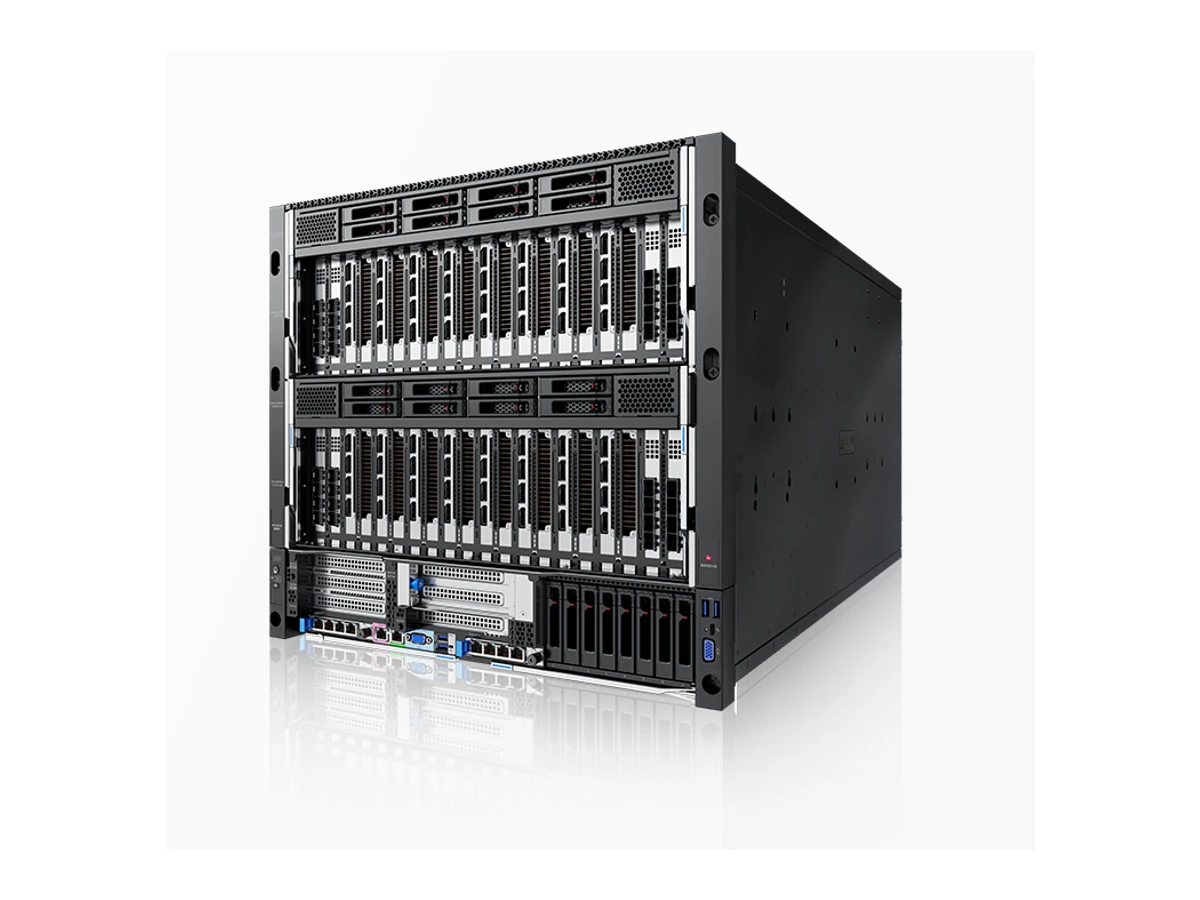
Build the accelerator configuration around training, inference and application software. G6550/G8550 V8 and the V7 GPU systems differ in chassis, processor platform and accelerator topology.
Explore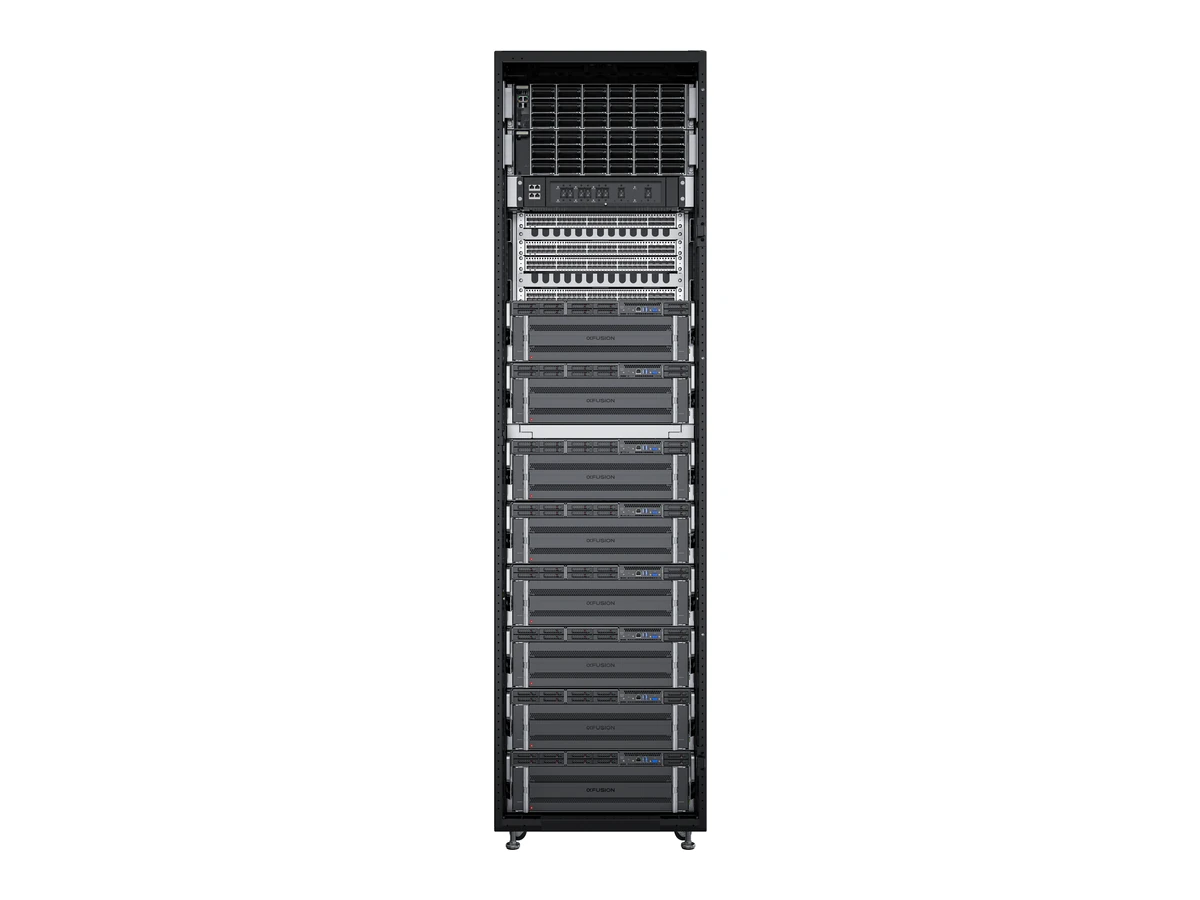
Select the rack system, compute nodes and liquid-cooling interfaces as one engineered configuration. FusionPoD, FusionPoD for AI and individual DH/GN nodes have distinct roles and revision boundaries.
Explore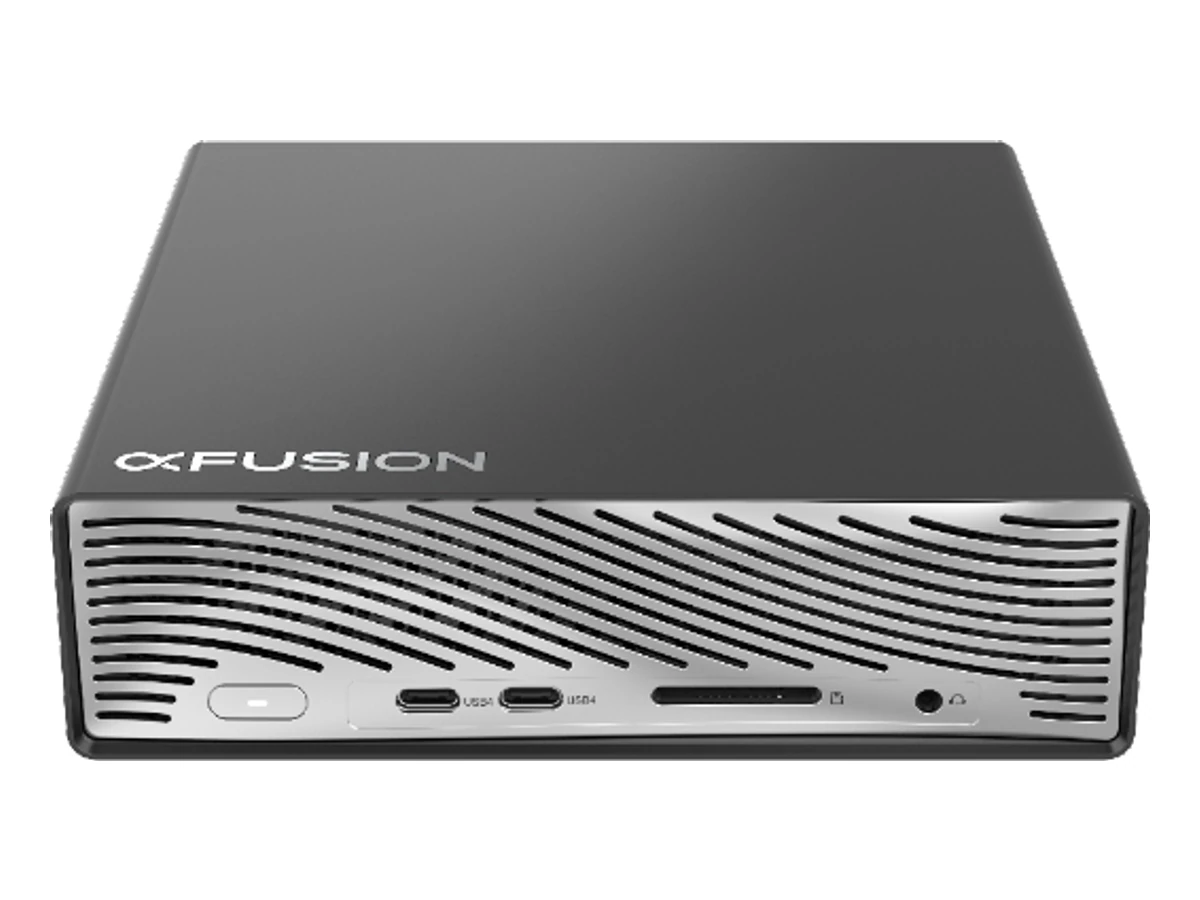
Bring development and selected AI workloads close to the user. Compare FusionXpark GB10, the AMD-based M495/M395 and FusionXtation workstations by software ecosystem, memory and application needs.
Explore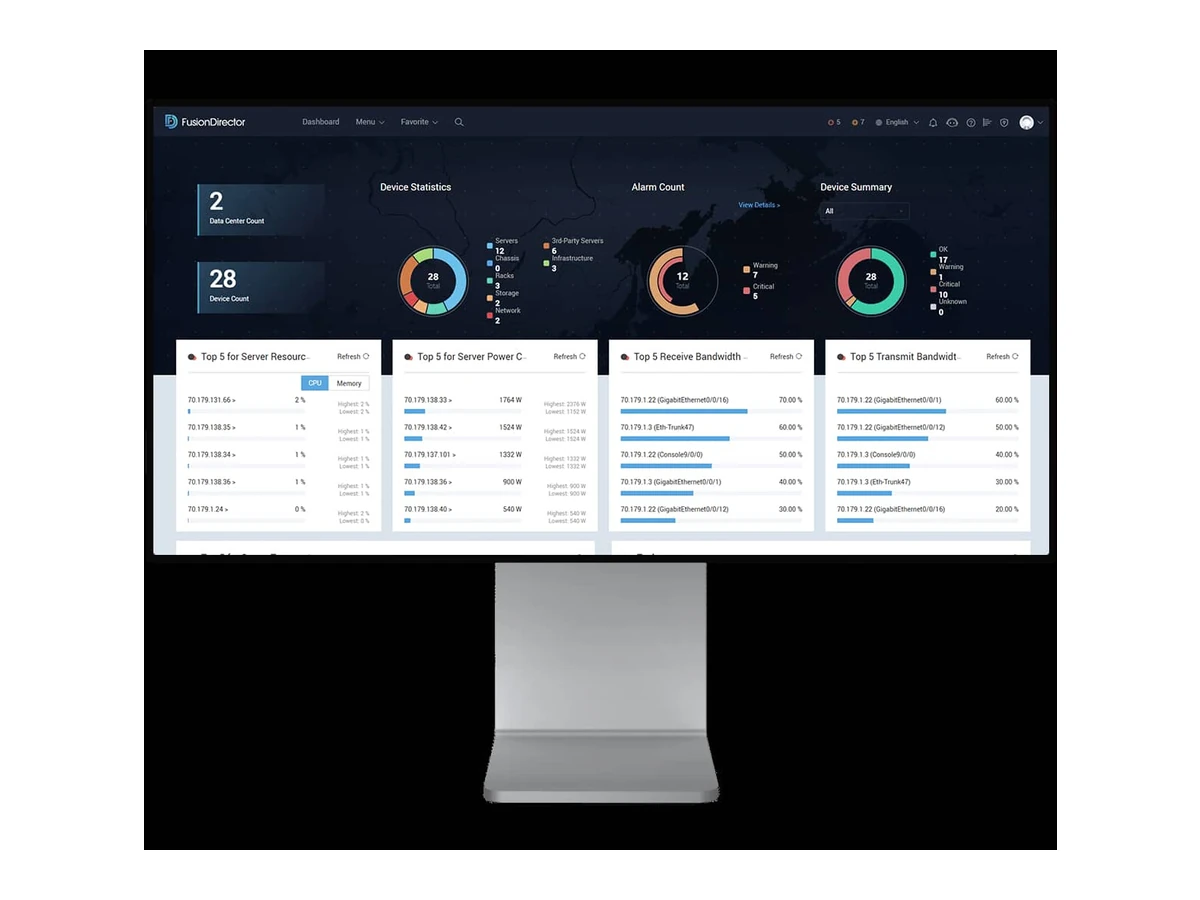
Separate device control, fleet operations and deployment tooling. Select iBMC, FusionDirector and supporting tools by model, version and integration task.
Explore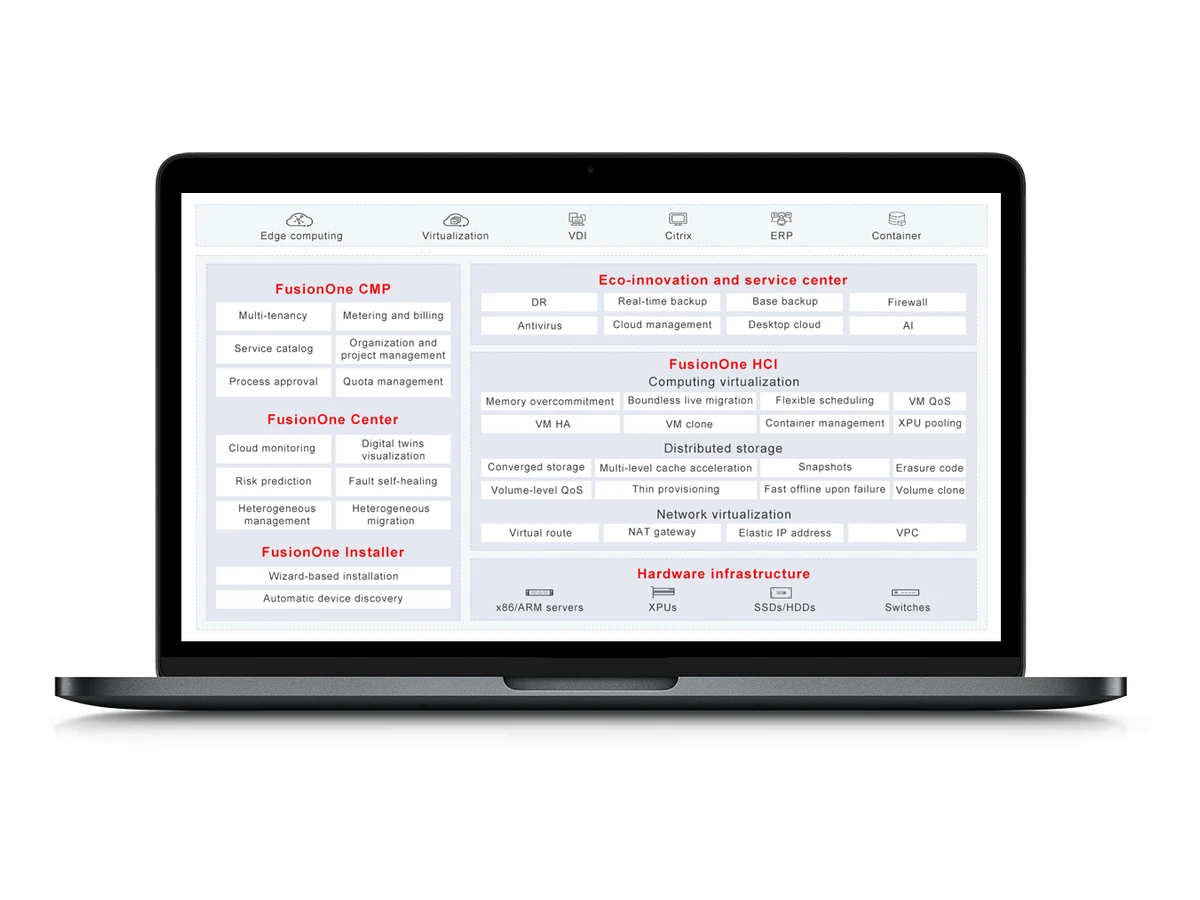
Plan the operating system, virtualization, storage and cluster layers around the application. FusionOS and FusionOne families have separate versions, functions and commercial support boundaries.
Explore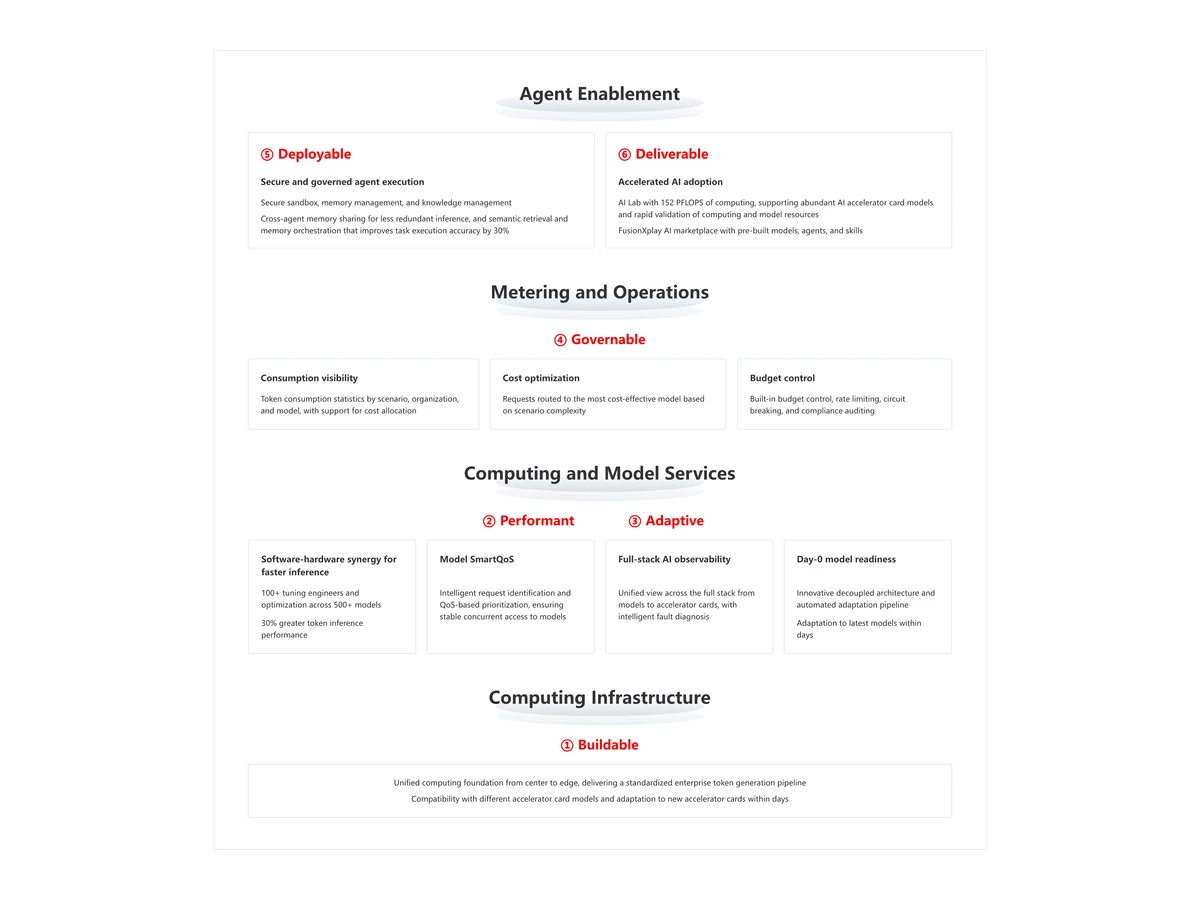
Connect AI operations, enterprise knowledge and business workflows through a defined application scope. FusionOne AI and the regional enterprise portfolio serve different platform and process requirements.
Explore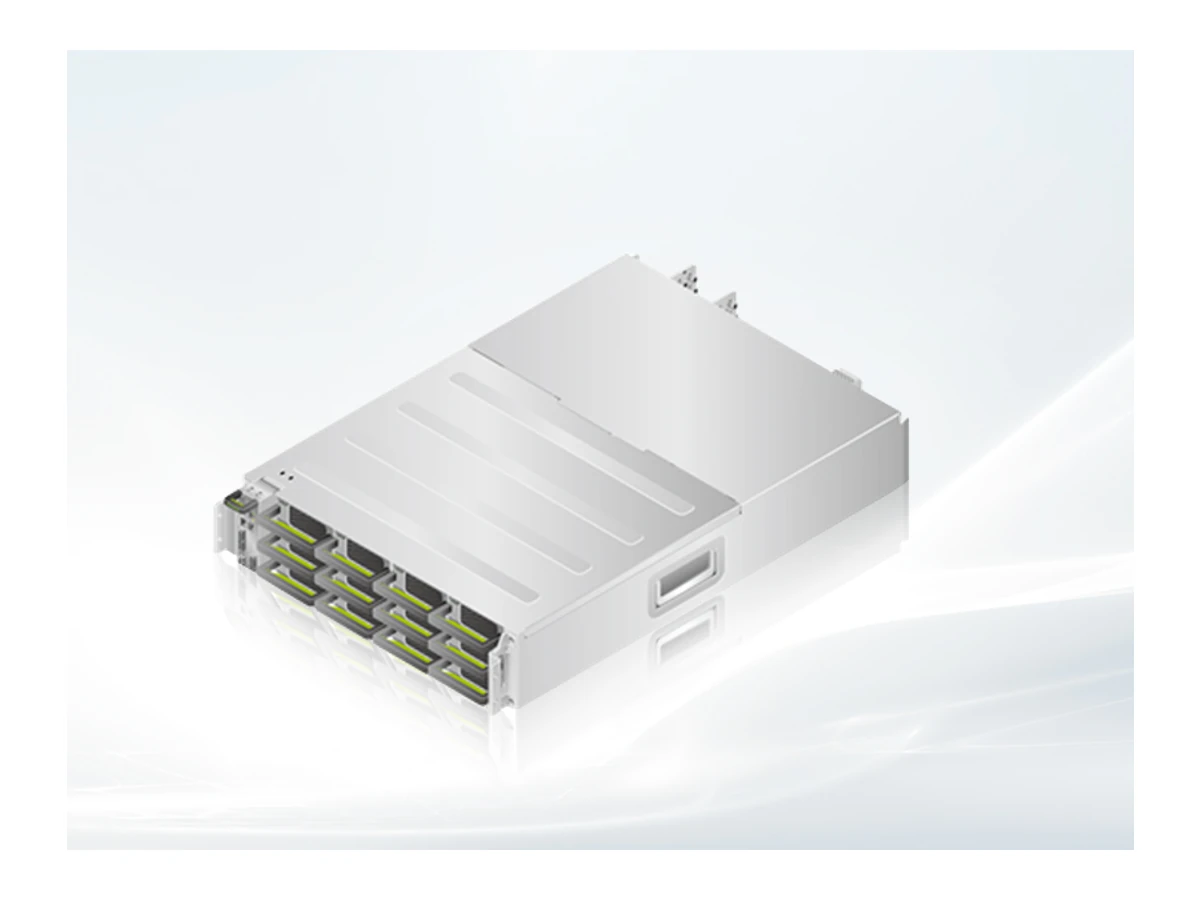
FusionWatt modules and power shelves are selected by electrical class, mechanical fit and host-system compatibility. Build a documented power configuration for the actual server or rack.
ExploreCompare GB10, M495/M395, workstations and GPU servers through software fit, memory and a practical local-AI pilot.
ExploreMatch the exact server, FusionPoD revision, power shelf and facility loop before committing a rack-scale configuration.
ExploreSeparate device management, fleet operations, operating systems and workloads, then align licences, support and integration acceptance.
ExploreIdentify models and CPU variants, distinguish EOM from EOS, and build a staged migration for existing rack, blade and mission-critical systems.
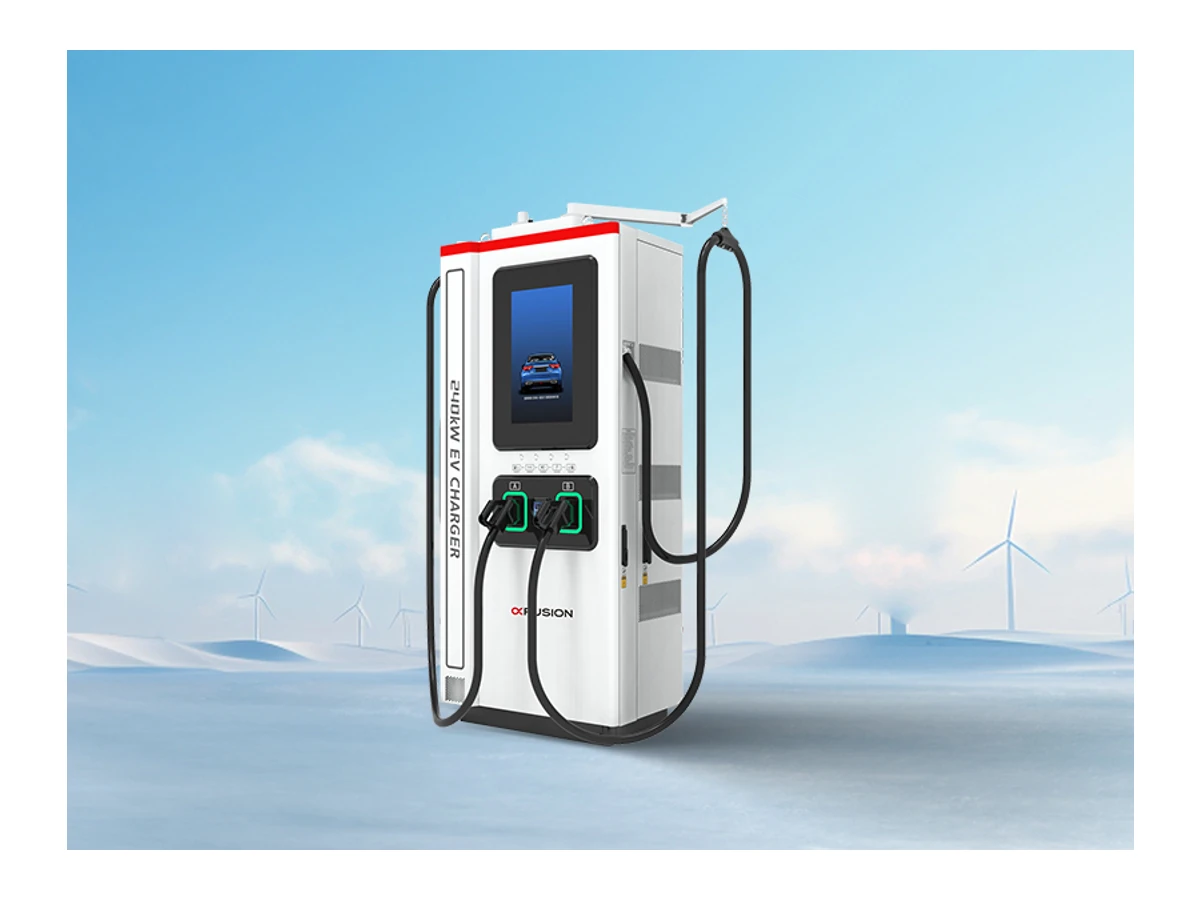
ExploreChoose charging equipment through vehicle demand, the global or regional product scope, grid capacity, connectors and installation responsibilities.
ExploreGeneral compute, accelerated AI and rack-scale systems solve different problems. Match CPU architecture, accelerator software, memory and storage to the application before choosing a chassis. Desktop AI and installed-base refresh have their own selection paths.
iBMC, FusionDirector, FusionOS and FusionOne occupy different management, operating-system and workload layers. Define versions, integration interfaces, licences and maintenance together with the hardware bill.
FusionWatt server power belongs to data-centre infrastructure. Integrated DC chargers follow an Industrial Supply enquiry covering vehicles, grid capacity, connectors and installation. Each route leads to the relevant technical brief.
On 23 September 2026, xFusion announced FusionServer V9 and Infinity Computing Architecture. This is an architecture outlook; platform selection here uses the named systems with published technical documentation.
Send the intended workload and configuration so we can define supply, integration and support scope.
Infrastructure, integration or software: start with the objective and the current situation.
Prepare an enquiry