
Preparing a site brief for xFusion DC charging
Choose charging equipment through vehicle demand, the global or regional product scope, grid capacity, connectors and installation responsibilities.
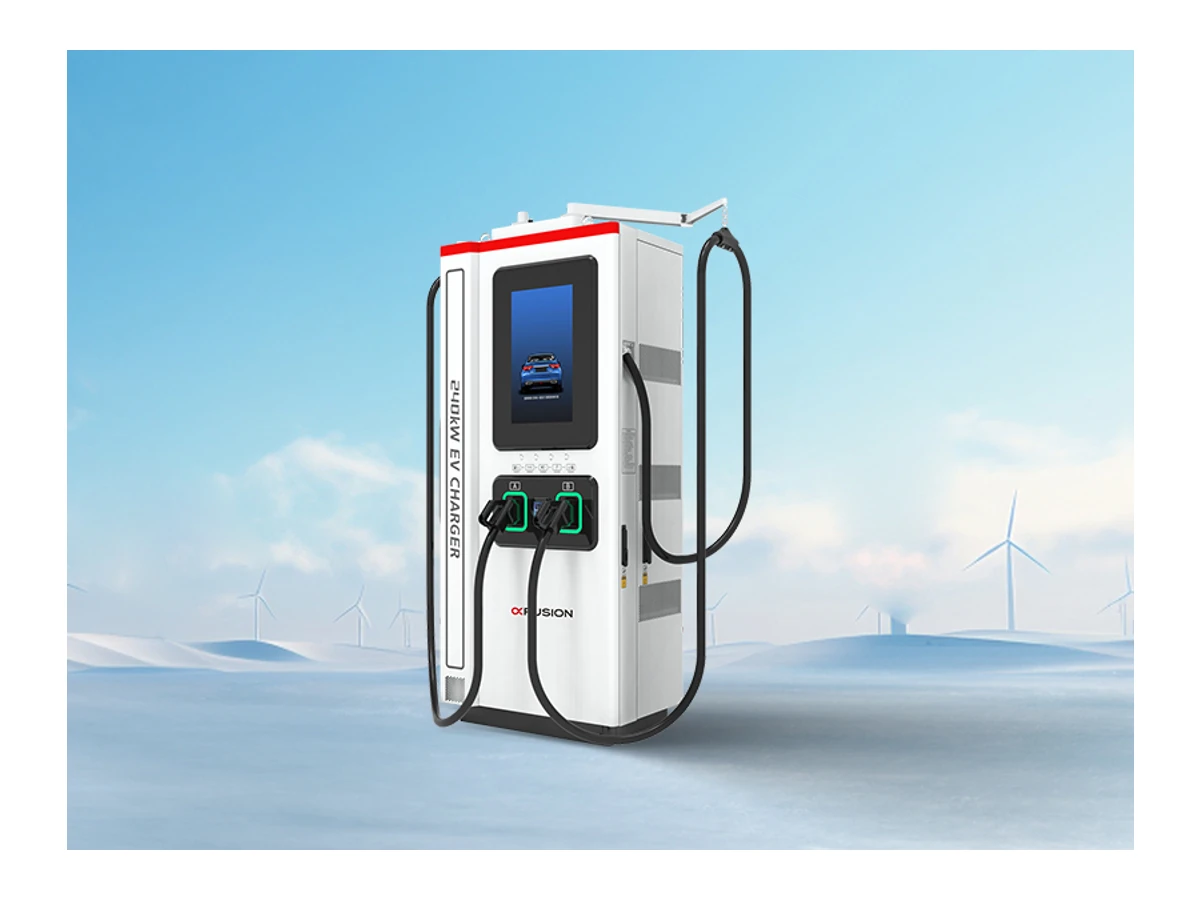
1. Describe the vehicle duty cycle
Start with the vehicles and daily operating pattern rather than the highest charger rating. Record battery and charging characteristics, connector standards, arrival times, parking duration and the energy needed before the next departure. Distinguish a depot with scheduled overnight dwell from a public site with short and uncertain visits. Estimate simultaneous demand and identify which vehicles have priority when capacity is limited. This brief gives the equipment and grid designers a common service requirement based on the vehicles’ charging characteristics and the available site capacity.
2. Compare the global integrated families
The global catalogue lists Integrated DC Charger Premium at 160–240 kW, Elite at 60–400 kW and Standard at 60–240 kW. These ranges organize the initial shortlist; they do not replace a configured equipment schedule. Ask for the proposed power variant, connector arrangement, output behavior and communications specification for the exact family. Compare each with vehicle demand and the available connection. A larger nominal range is not automatically the best site choice when the grid, dwell time, parking layout or expected use points toward a different operating configuration.
3. Select the appropriate regional system
The China-market portfolio distinguishes integrated 120–160 and 240–400 kW chargers with YT model designations from split 360–520 and 600–1040 kW systems with ZJ power hosts and CJ/KC charging terminals. QX1000 is a liquid-cooled charging gun/cable assembly, while LY05-00 is a cooling unit with coolant-temperature and pressure monitoring. Identify each component’s role and compatibility in the installation plan. Global Premium, Elite and Standard families follow their own selection process. Request a complete system schedule, proposed connectors, required approvals and clearly assigned installation responsibilities for the site.
4. Resolve grid, connector and thermal boundaries
Provide the available grid capacity, voltage arrangement, connection point and any planned upgrade. The electrical designer should define distribution, protection, earthing and the operating limit for simultaneous charging. Include ambient conditions, drainage, cable reach, vehicle movements, accessibility and maintenance clearance in the site drawing. Confirm connector and charging-standard compatibility for the actual vehicles. Communications, backend and payment requirements also belong in the brief. Resolve local grid requirements, vehicle compatibility and the necessary approvals with the responsible project parties before final equipment selection.
5. Assign installation and service responsibilities
Separate equipment supply from site design, connection approvals, civil works, electrical installation and commissioning. Name the party responsible for each interface and for any required local certification documents. Agree maintenance access, diagnostics, spare-parts planning and escalation for the proposed equipment. Define local service coverage and response terms explicitly in the proposal. The handover pack should include the installed configuration, test results, operating instructions and ownership of communications credentials. This makes proposals comparable and helps the operator plan what must be arranged before delivery and after commissioning.
6. Send a decision-ready site brief
An equipment enquiry to SOFCONS should include the vehicle list, daily energy requirement, site drawing, available grid capacity, intended connectors and target operating date. Add the installation and service responsibilities you already have, and identify the interfaces that need a proposal. Use the table to agree the missing evidence before fixing the equipment schedule. Acceptance can then test the agreed vehicle/connector combination, controlled power operation, communications and recovery behavior. The result is a site-specific charging plan, with scope and responsibilities clear enough to evaluate before procurement and carry into commissioning.
| Decision | Information to request | Acceptance |
|---|---|---|
| Charging demand | Vehicles, dwell time, energy and concurrency | Agreed duty cycle and priority rules |
| Equipment fit | Regional family, connectors and configured output | Vehicle and site compatibility confirmed |
| Delivery and operation | Grid, installation, approvals, backend and service scope | Documented commissioning and responsibilities |
Industrial supply enquiry
Plan equipment selection, spare parts, procurement and delivery around your production requirements.