
Reconciling an xFusion rack, power and cooling design
Match the exact server, FusionPoD revision, power shelf and facility loop before committing a rack-scale configuration.
1. Agree the complete configuration
A rack design needs more than a server model and an aggregate kilowatt figure. Record the rack revision, node type, accelerator, memory population, storage, network adapters, power shelf and firmware. List the source document and revision next to each item. This gives the electrical and cooling designers a shared configuration rather than unrelated catalogue maxima. Keep proposed alternatives separate: changing an accelerator, shelf or node generation may change power, airflow, liquid interfaces, cable routing and the maintenance procedure even when the marketing family name stays the same.
2. Start with the actual AI chassis
G6550 V8 is a 6U dual-EPYC 9005 system with ten dual-width GPU positions. G8550 V8 is a 10U dual-EPYC 9005 system with sixteen documented GPUs. Select the approved accelerator and interconnect for the workload, then obtain the corresponding electrical and thermal configuration. Check rack depth, load-bearing limits, service access and cable bend space. The larger GPU count is not an automatic reason to choose a chassis: operational fit, the software stack and the application acceptance test should decide the useful configuration.
3. Separate the system from its nodes
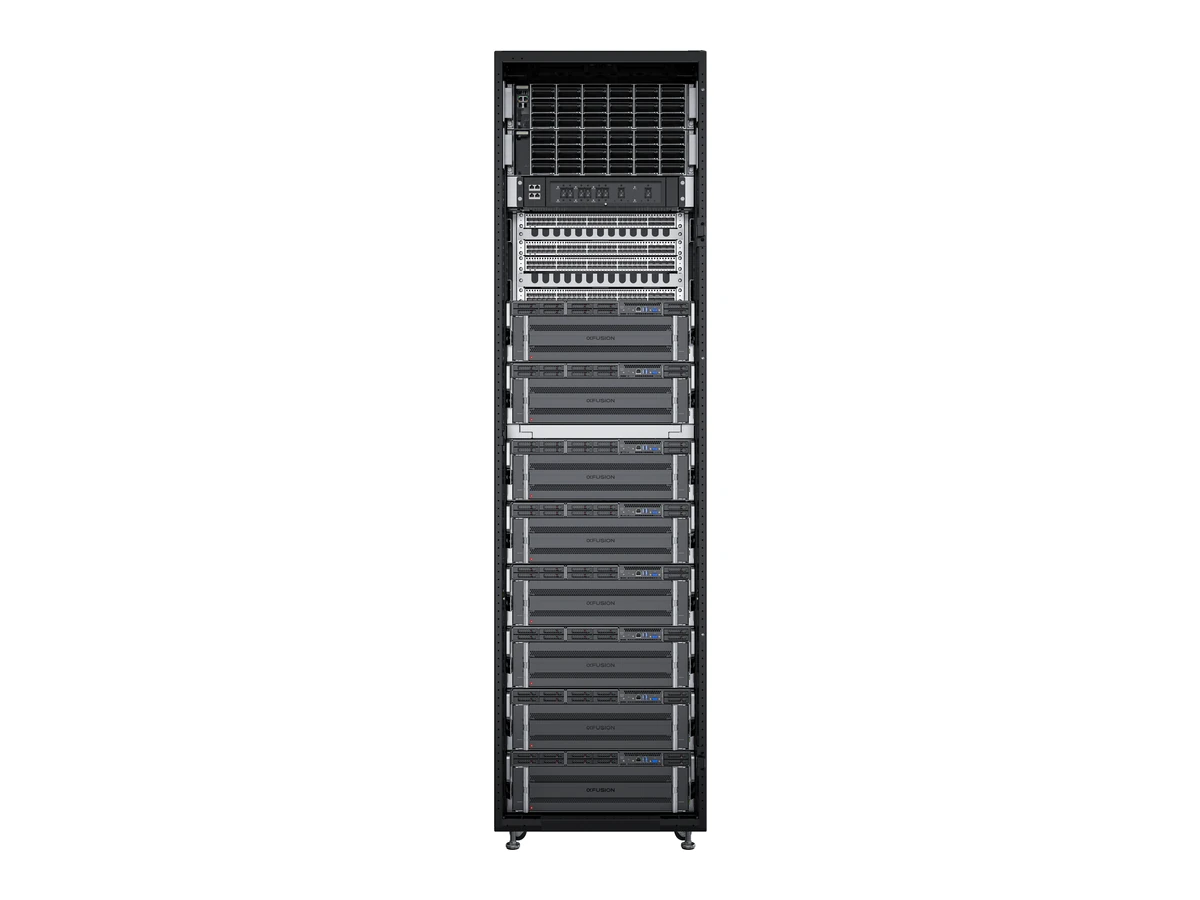
FusionPoD names a rack-scale infrastructure family, while DH120E V8 names an individual cold-plate node. The latter has a 1U format, dual Xeon 6 Granite Rapids-AP processors and 24 memory slots. Record system and node specifications separately, then check their compatibility for the selected revision. The 2025 FusionPoD for AI guide describes eight 4U nodes, a 105 kW rack and a 51 kW N+1 power shelf. Identify that revision explicitly in the design so the engineering team can check power, cooling and service requirements against one consistent configuration.
4. Engineer the CDU and facility interface
For liquid cooling, agree where responsibility passes between IT equipment, CDU and the building loop. Request operating temperature, flow, pressure, coolant requirements and the heat-rejection design for the selected equipment. Define isolation valves, leak monitoring, alarm routing, filling and maintenance access. Include the remaining air-cooled load instead of assuming the liquid circuit removes all heat. A commissioning plan should show how the operators prove flow and alarms, isolate a failed section and return the equipment to service without losing the agreed recovery path.
5. Reconcile the full power chain
FusionWatt includes individual modules and complete shelf systems. Check input class, output rail, mechanical format and connector approval separately. Use full model designations such as PAC900S12-T1, XA3000, PDP3000S54-T1 and PS330 in the configuration schedule, with the host-approved technical specification for each. Calculate available capacity in the intended redundancy state and after a feed failure. Confirm monitoring and module-replacement procedures against the host configuration. Then reconcile the result with the facility protection and distribution schedule so the project team can agree the complete power chain.
6. Accept one coordinated design
Ask for one configuration pack linking the server bill, rack drawing, power schedule and cooling interfaces. Resolve conflicting revisions before ordering, and mark alternatives so they cannot silently become mixed configurations. The acceptance record should include the installed bill, firmware baseline, alarm checks and recovery procedure. SOFCONS can structure the supply and integration brief around these interfaces. The table below is a practical review agenda: it turns a collection of product names into responsibilities and evidence that the buyer, integrator and facility operator can assess together.
| Decision | Information to request | Acceptance |
|---|---|---|
| Rack and node | Exact revisions and supported node bill | One consistent configuration |
| Shelf and feeds | Input, output, population and redundancy | Agreed operation after a feed failure |
| CDU and building | Loop limits, heat rejection and alarms | Commissioning and isolation test |
Plan your IT infrastructure
Discuss server and platform selection for your applications, AI workloads and data center requirements.
Explore the technologies
Putting it into practice
Choosing an xFusion platform for local AI
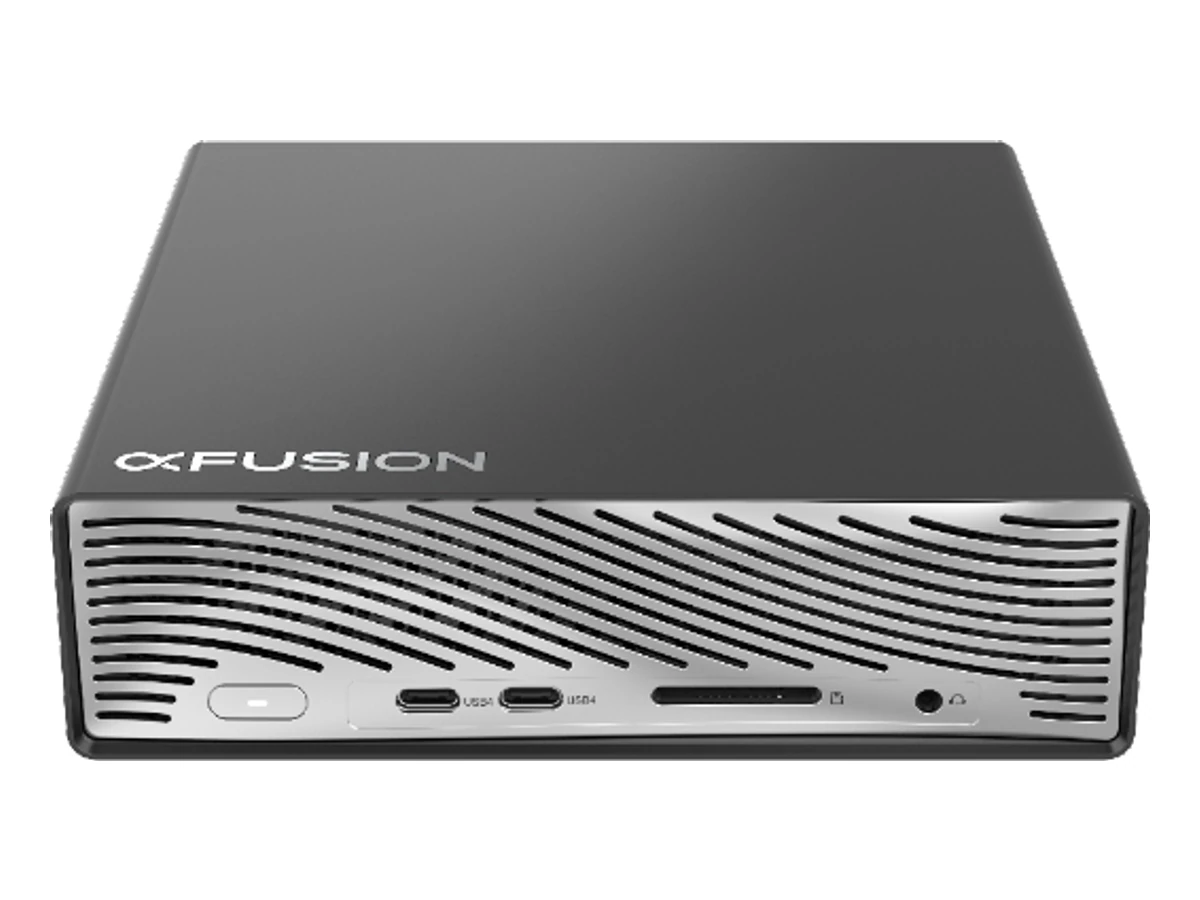
Compare GB10, M495/M395, workstations and GPU servers through software fit, memory and a practical local-AI pilot.
Planning an xFusion refresh around exact lifecycle dates
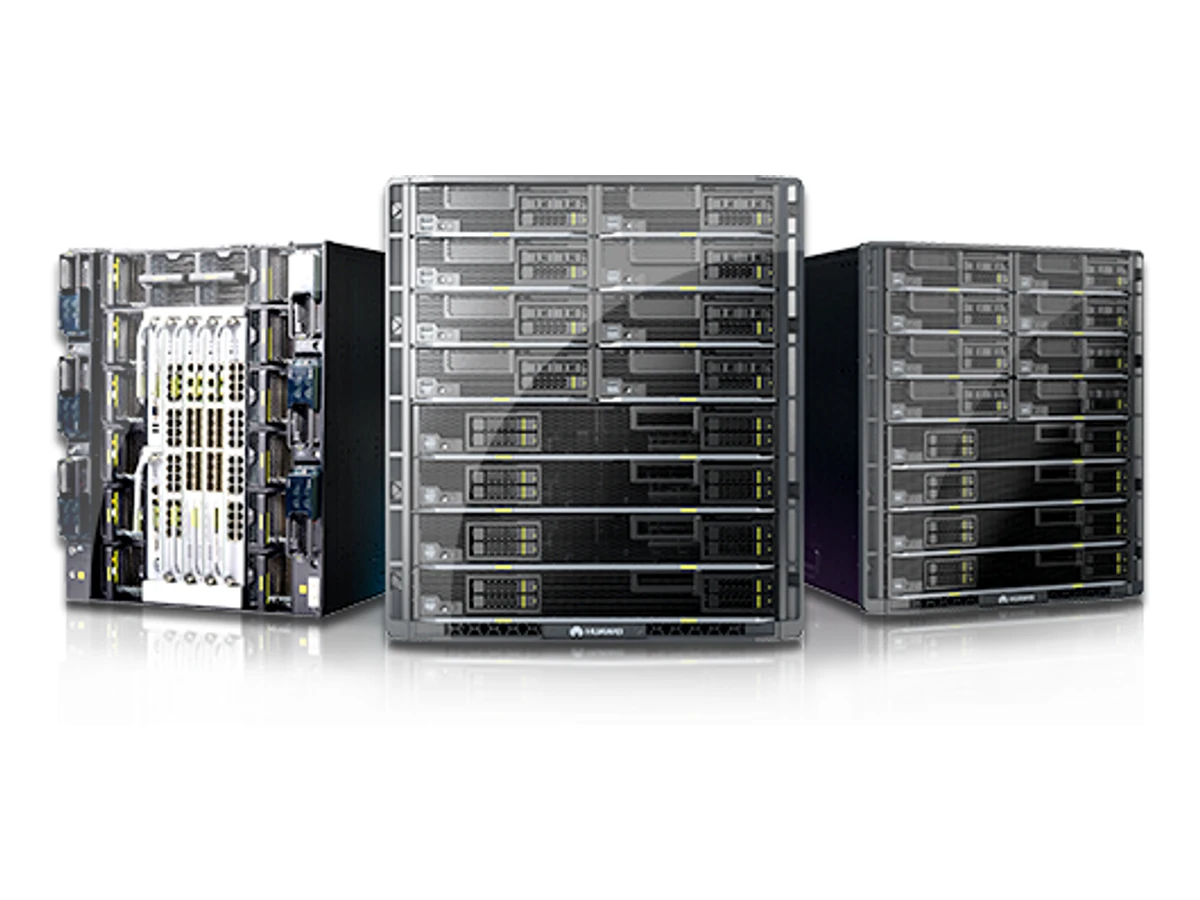
Identify models and CPU variants, distinguish EOM from EOS, and build a staged migration for existing rack, blade and mission-critical systems.