
HuaKun Kunpeng/ARM: a migration plan for enterprise applications
A practical guide to ARM compatibility, pilot selection and staged migration, from application binaries to recovery tests.
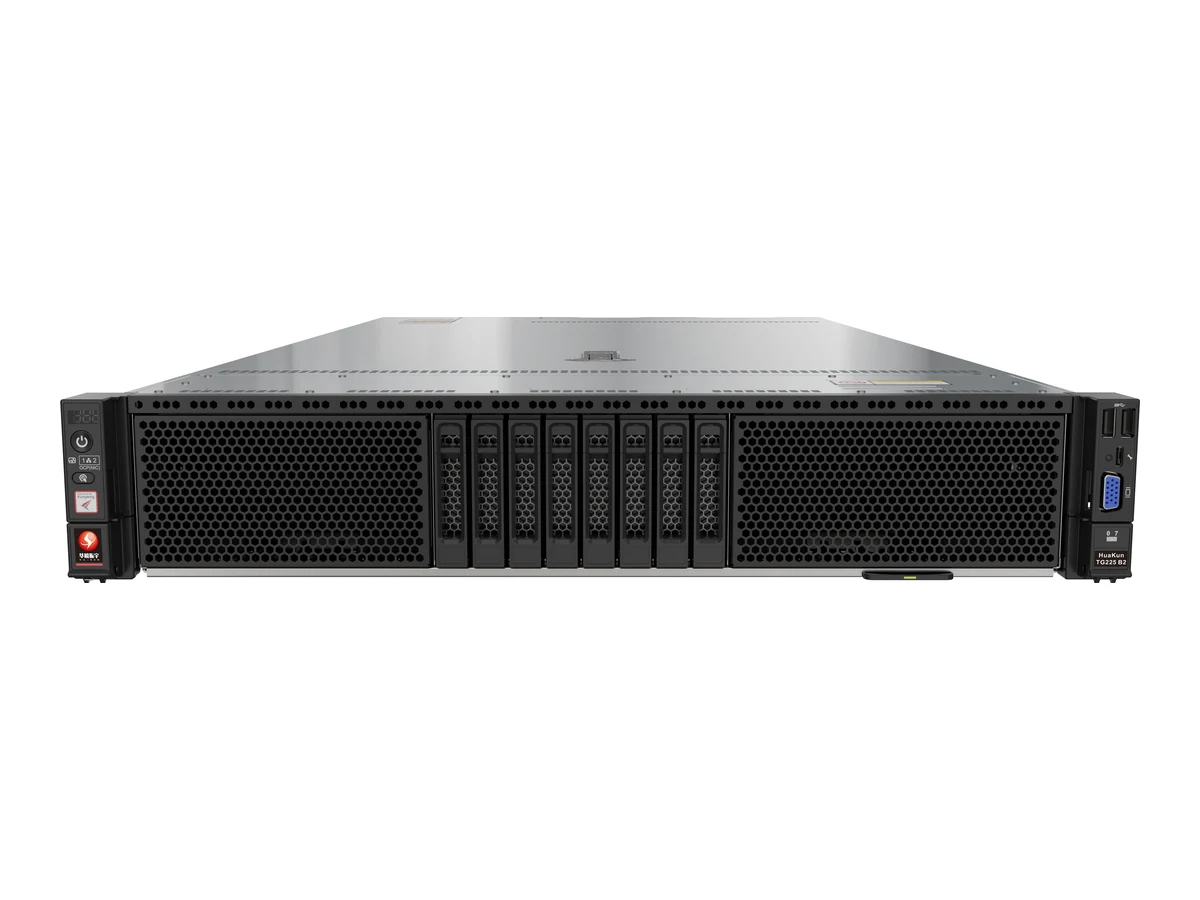
Migration starts before the server
Moving to a Kunpeng/ARM server requires validation of the application ecosystem as well as the hardware. Record an owner, exact version, operating pattern, dependencies and recovery objective for each service. A web application, database, reporting engine and backup agent may have different constraints. The first deliverable is a map of workloads suitable for a pilot, with clear reasons for retaining others in their current environment. Establish source-code access and software-vendor support early; those decisions can shape the whole migration.
Binaries, containers and dependencies
Packaging an application in a container does not remove its dependency on processor architecture. Check the ARM image variant, native libraries, database extensions, security agents and device drivers. Where recompilation is possible, pin the compiler and library versions used in the pilot. For virtualization, guest architecture, hypervisor support and migration method are separate decisions. TGHCI describes management of x86/ARM infrastructure, which can organize a mixed estate; that management capability does not make an x86 application binary run automatically on an ARM processor. Retain an explicit compatibility result for every dependency.
Connect the model to the workload
TG225 B2 is a dual-socket 2U DDR5 platform; TG215 B2 is a single-socket 2U alternative. TG245 B2 provides a concrete four-socket example, while TG125 B1 addresses a 1U placement requirement. These differences are configuration choices rather than automatic performance advantages: assess memory use, I/O, licensing and expansion together. TG525 B2 or TG515 B2 may serve a separate storage-node role. The server choice follows the compatibility decision; it cannot substitute for it. Compare the exact configuration against the existing workload baseline.
Pilot decision table
Choose a migration route and evidence requirement for each workload before provisioning the pilot. Use the same dataset, user operations and peak-load profile as the baseline. Verify result correctness alongside response time; reaching the login screen is not acceptance.
| Item | Decision and evidence |
|---|---|
| Application and libraries | ARM build and functional tests |
| Database | Extensions, data integrity and restore |
| Operations | Monitoring, backup and rollback |
Data paths and existing systems
Document where data will remain during the application move. A database may continue using existing storage, move to a new node or remain connected to the old system during transition. In every case, verify protocols, identity services, certificates and network rules. A restore test using a production-representative copy should exercise both the backup tool and the application on the new platform. Include synchronization lag and final-write verification in the cutover window. This separates a working application installation from a recoverable service.
Staged cutover and handover
After the pilot, begin with a non-critical service and retain the existing system for an agreed rollback period. Document the cutover window, data synchronization, acceptance owner and stop conditions. A SOFCONS enquiry can combine server sourcing with integration into the existing network, storage connections, backup and handover documentation. The acceptance pack should contain versions, configuration, test results and recovery steps. This gives the buyer an inspectable decision based on application behavior and operational readiness, with a defined route back if acceptance fails.
Plan your IT infrastructure
Discuss server and platform selection for your applications, AI workloads and data center requirements.
Explore the technologies
Putting it into practice
HuaKun AI infrastructure: workstation, server or cluster?
Choose between local inference, PCIe accelerators, modular platforms and clusters using memory, software fit, concurrency and a pilot.
HuaKun liquid cooling: from server to facility design
Compare cold plate, spray and immersion through node fit, networking, heat rejection, U/OU planning and service procedures.