
Documents to request after industrial repair
Connect equipment identity, the initial symptom, completed work and verified result in the repair record. Retain replaced parts, acceptance statuses and outstanding items for later maintenance.
Symptoms, history; mechanics, power, controls
Repair or replacement scope
Result and handover records
Tie the record to the actual equipment
“Repaired” is insufficient for later operation and maintenance. Identify the equipment, starting symptom and scope involved. Carry the machine asset number, assembly model and work boundary through the related records. If an order covers several motors or drives, keep their findings and test results distinct so a later fault can be traced to the correct unit.
Handover document matrix
| Document | Content |
|---|---|
| Diagnostic record | Initial symptom, observations, faults found and assessment boundary. |
| Work and parts | Agreed and completed work; codes and revisions of replaced parts. |
| Verification record | Method, conditions, units, result and accepting owner. |
| Current configuration | Drawings, settings, software copies and maintenance information. |
Example: two different acceptance statuses
Suppose an electronic assembly has passed bench testing while the complete machine test is waiting for a production window. Record these as separate statuses. The bench result confirms the test performed; it does not automatically establish readiness of the entire machine. Name the owner and prerequisite for the remaining demonstration.
A photograph can identify the assembly shown, but it does not replace a measurement record. A before/after comparison needs matching component identity and an intelligible history.
Prepare the record for future maintenance
Have the receiving party confirm the result, open items and agreed limitations. Link warranty and service terms to the commercial document. Make filenames, revisions and storage locations understandable to the next maintenance team. Preserve the approved record while recording later corrections as controlled revisions.
Equipment repair enquiry
Start with the equipment model and fault symptoms to discuss diagnosis and repair options.
Explore the technologies
Putting it into practice
- Equipment group
- Area 53 · 5 machines

Azerikimya: repairs to five machines in area 53
Mechanical, electrical and control work across five machines in Azərikimya’s Area 53, including CNC software restoration and trial starts.
Azerikimya: variable speed drive inspection and repair
Sofcon diagnosed and repaired Azerikimya’s variable-speed drives, cleaned internal components and cooling systems, and checked connections and operating modes.
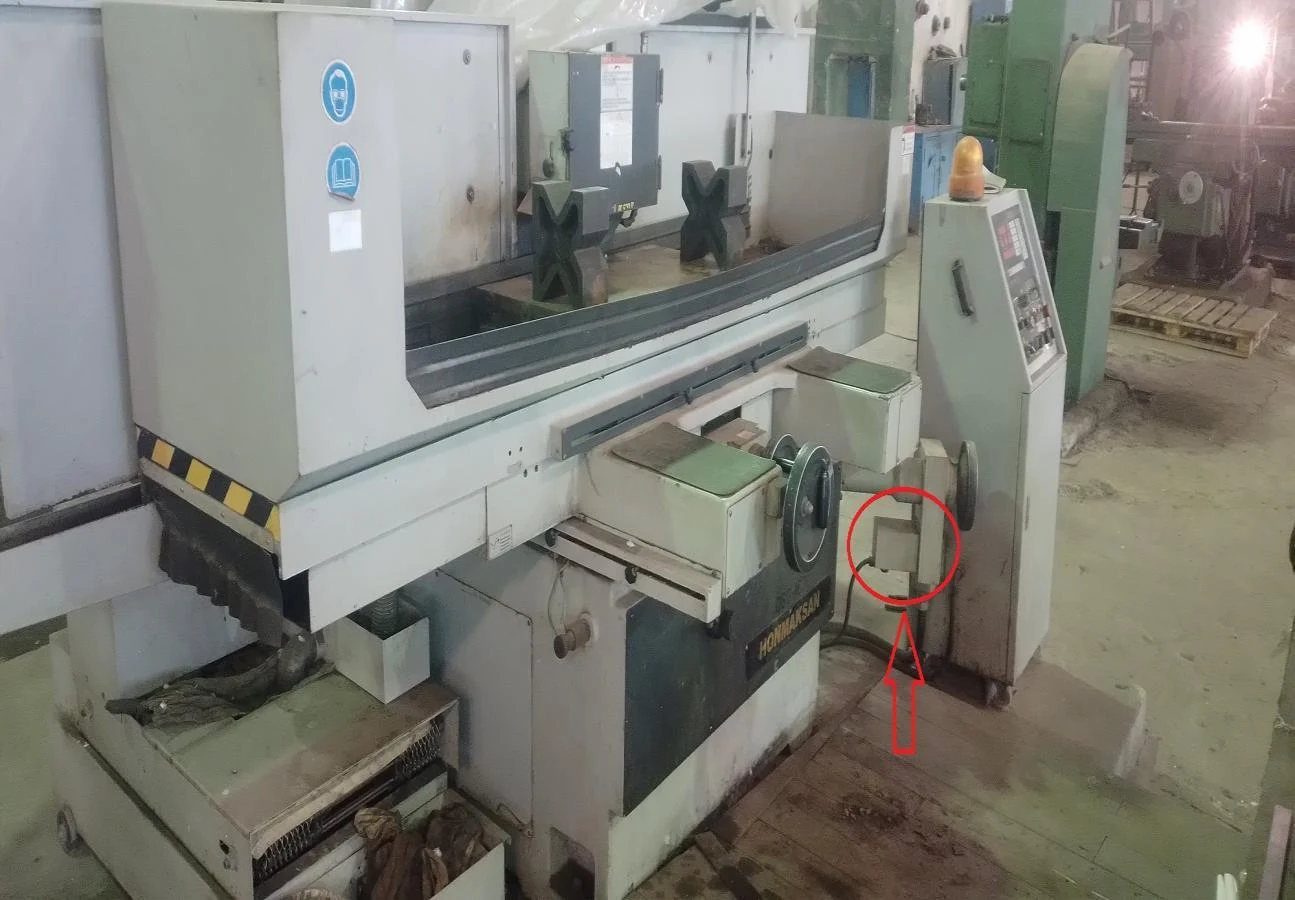
Restoring machine control for Azerikimya
Sofcon restored an Azerikimya machine after two years out of service: one day of diagnostics, one day of service and a fully operational handover.