Machine controls: repair, retrofit or replacement?
Assess mechanical condition, electronics support and required functions separately. Compare repair, retrofit and replacement against the same acceptance criteria and cost scope.
Symptoms, history; mechanics, power, controls
Repair or replacement scope
Result and handover records
Start with the required machine outcome
The decision is larger than the price of a failed controller. Can the machine mechanics still deliver the required operation, are the controls supportable, and has the production requirement changed? Assess those questions separately. A functioning panel does not establish machining accuracy, while sound mechanics do not establish continuing availability of old electronics.
Evaluate alternatives against the same criteria
| Option | When to investigate | Decision evidence |
|---|---|---|
| Repair | Existing function remains suitable; fault scope can be established. | Diagnosis, parts availability and functional verification plan. |
| Retrofit | Mechanics remain useful but control support or function is insufficient. | Interfaces, protective functions, software and integration boundaries. |
| Replacement | Required production outcome exceeds the existing machine capability. | Alternative capability, site readiness, transition and acceptance costs. |
Illustrative review: an unsupported panel
Suppose the mechanics remain suitable but a replacement panel cannot be obtained. The first task is to recover a usable description of the program, communications, inputs, outputs and operator sequence. Selecting a new PLC before establishing those interfaces can conceal substantial migration work. Identify which records are available, which need reconstruction and who can validate the reconstructed behaviour.
Document the decision
For each option, state the work scope, outage window, additional parts, software rights and handover records. Keep unknowns visible rather than costing them at zero. The technical owner should approve the operation to be demonstrated, while production approves the transition window. Agree which findings would reopen the decision after inspection.
Separate acceptance of repaired functions from a promise of new production performance. If speed or accuracy is required, agree its measurement method and conditions explicitly.
Equipment repair enquiry
Start with the equipment model and fault symptoms to discuss diagnosis and repair options.
Explore the technologies
Putting it into practice
- Equipment group
- Area 53 · 5 machines

Azerikimya: repairs to five machines in area 53
Mechanical, electrical and control work across five machines in Azərikimya’s Area 53, including CNC software restoration and trial starts.
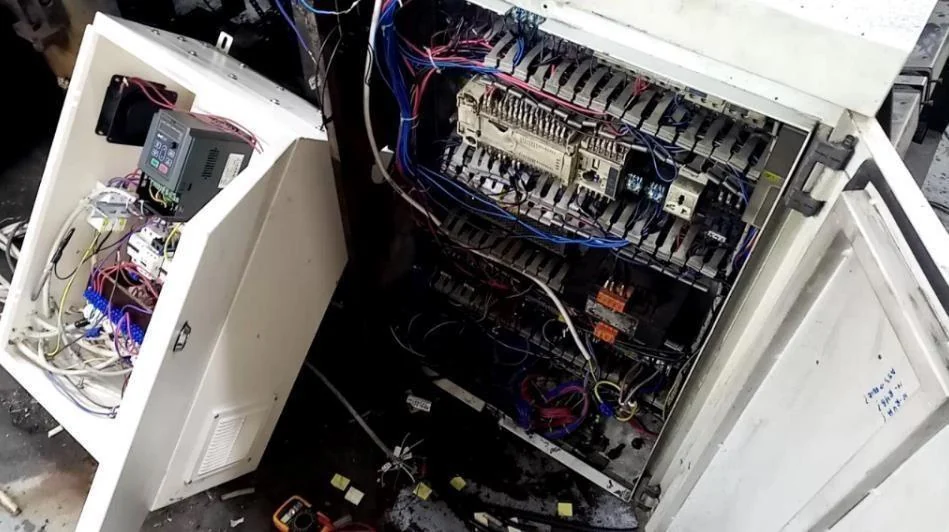

Təhsil Nəşriyyat: printing equipment controls
Restoration of binding and printing machine controls and protection with partner contractors, including a new second panel for the binding machine.
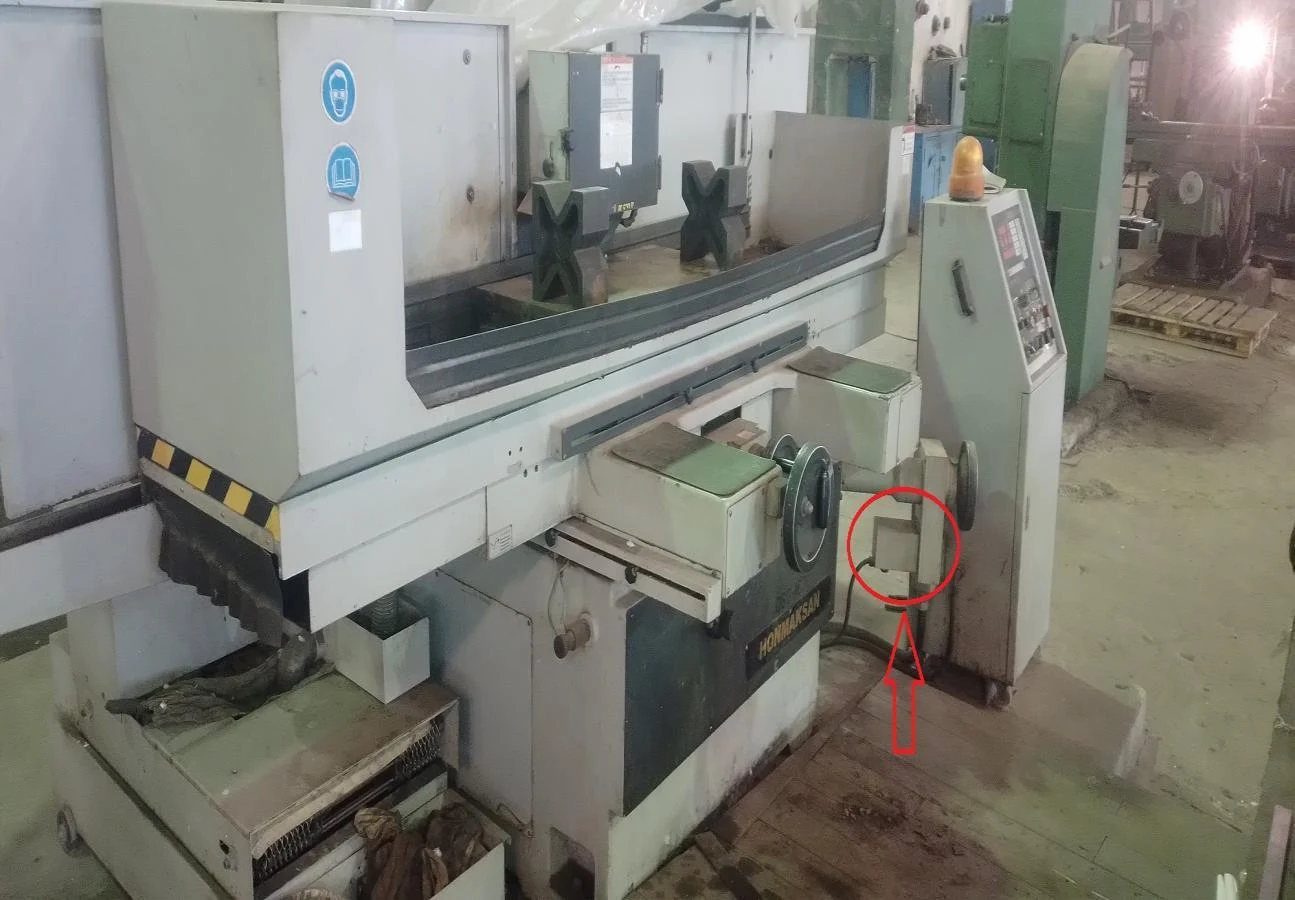
Restoring machine control for Azerikimya
Sofcon restored an Azerikimya machine after two years out of service: one day of diagnostics, one day of service and a fully operational handover.