
What to include in a machine fault diagnostic brief
Prepare nameplates, exact error text, operating circumstances and change history. A completed example shows how to present observations and the required outcome to an engineer.
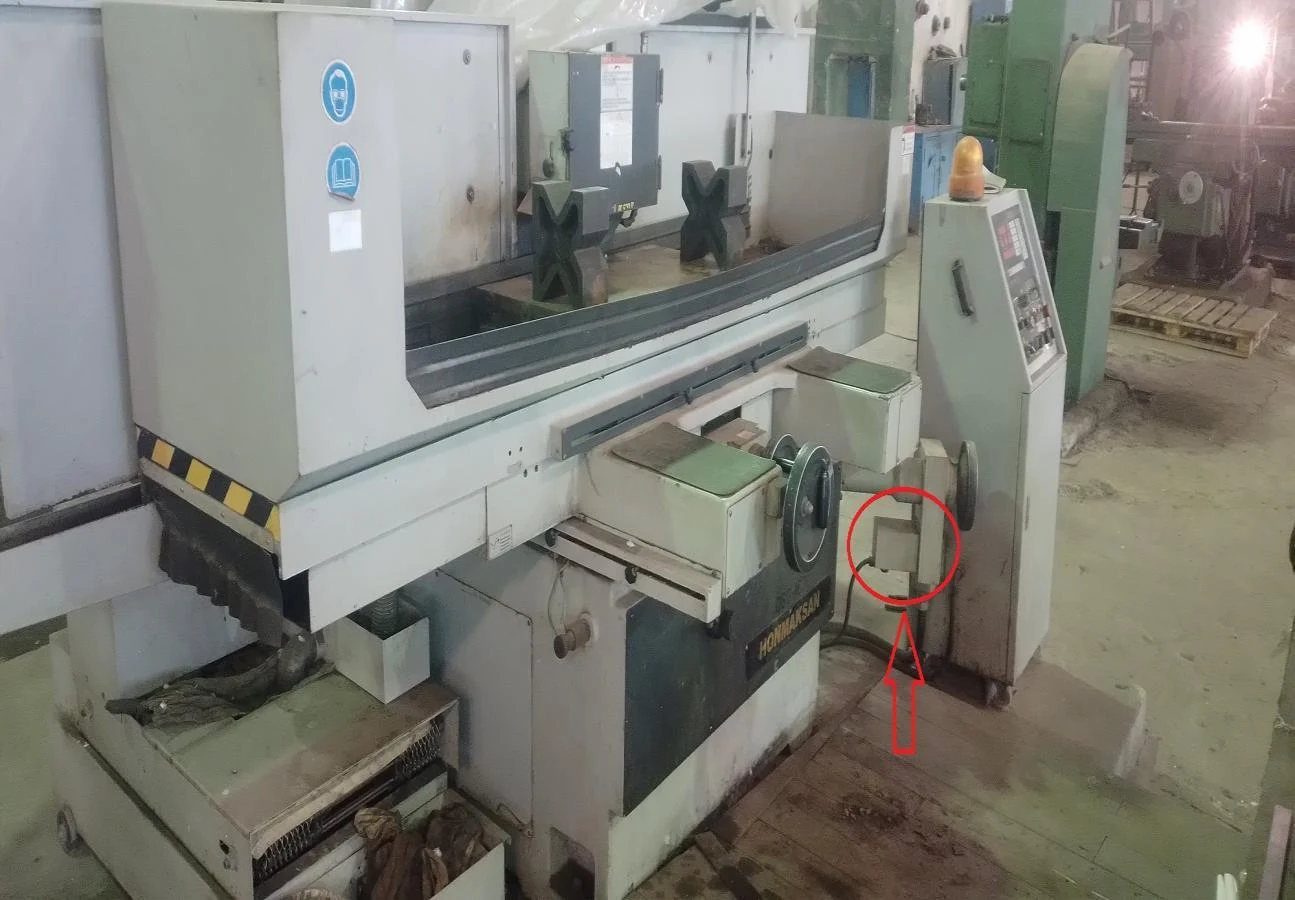
Start with a precise observation
A useful diagnostic brief tells the engineer which function is unavailable, when the issue occurs and what evidence is available. The initial enquiry does not need a guessed cause. Copy the panel message exactly and record the operator's observation separately.
For example, the meaning of FB-ERROR depends on the control system and software version. Relate the complete message to the equipment documentation and the operation during which it appears. This helps the engineer determine the direction of diagnosis.
Identify the machine and controls separately
The machine manufacturer may differ from the manufacturer of its panel, controller or drive. Attach an overall view and a readable nameplate photograph for each relevant component. Do not guess an unreadable character: flag it and supply a clearer image.
Preserve the complete model and order code, serial number, visible software version and site asset identifier. These details distinguish the installed unit from other variants in the same family and help locate the relevant technical documents.
A reusable enquiry template
Complete the fields below using the information available. Write 'unknown' or 'document unavailable' where appropriate. This shows the engineer what needs to be established on site and prevents an assumption from becoming an apparent fact.
| Field | What to provide |
|---|---|
| Equipment | Machine model, serial number and site identifier; separate codes for the panel, controller and drive. |
| Symptom | Complete error text, a screen photograph and the operation that is unavailable. |
| Circumstances | Operating mode, stage in the cycle, recurrence and the last known successful operation. |
| Change history | Repairs, component or parameter changes before the fault, and any power-supply observations. |
| Documents | Electrical drawings, manual, available parameter list and previous service records; the revision of each document. |
| Backups | Names and dates of available program and parameter backups, the component they belong to and their change history. |
| Required outcome | Function to restore, verification conditions and the person responsible for accepting the result. |
Example of a completed brief
This illustrative example brings observations, information to clarify and the required outcome into one brief.
- Equipment: a machine in the machining workshop. Overall view and machine, controller and drive nameplates are attached; the panel nameplate is unreadable and needs confirmation.
- Symptom: the operator reports FB-ERROR when switching to automatic mode. A screen photograph is available.
- History and documents: an electrical drawing is attached. Before diagnosis, compare it with the installed equipment and clarify the parameter-change history and location of the current backup.
- Request: define the diagnostic scope, record the faults found and prepare a restoration proposal. Before repair, agree with the site how the required automatic operation will be verified.
Separate the mechanical, electrical and software scope
An interrupted operation can involve different parts of a machine. The brief should help relate observations to the relevant area: movement and mechanics, power and electrical connections, or signals and control sequence. Diagnosis determines which checks are needed.
Restoring control and confirming machining accuracy are separate acceptance tasks. If geometric accuracy, a particular test part or operation under load is required, state that outcome in advance.
Agree on a verifiable outcome
The final record should connect equipment identification, the initial symptom, faults found, work completed and verification results. Any replaced components or changed software parameters should be linked to the relevant unit.
At handover, record which function was verified, under what conditions, and any remaining issues. Attach the completed brief to the service enquiry so the initial engineering discussion can focus on the actual equipment and the required outcome.
Equipment repair enquiry
Start with the equipment model and fault symptoms to discuss diagnosis and repair options.